If you operate in a high-risk industry—such as casinos, adult entertainment, forex, IPTV, or CBD—your payment gateway is the lifeline of your business. Without it, you cannot accept revenue.
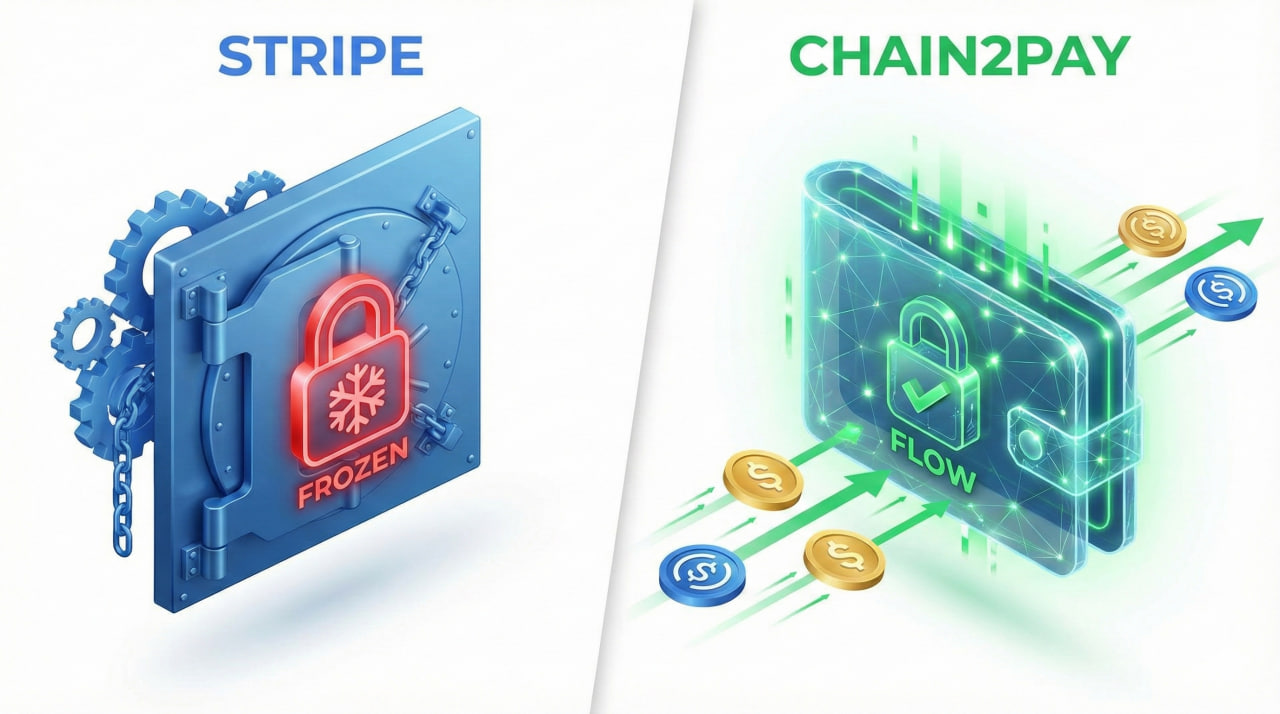
Choosing the wrong provider can be catastrophic. Many "high-risk" processors are predatory: they charge exorbitant fees, hold 10-20% of your revenue in rolling reserves for months, and reserve the right to freeze your account at any moment. You need a partner, not a liability.
1. Why Choosing the Right Gateway Matters
Your payment gateway is not just a technical integration—it is the financial backbone of your business. A shutdown, freeze, or unfair reserve can wipe out months of cash flow overnight.
That is why high-risk merchants must evaluate processors on structural stability (who holds the money, and for how long), not just on sticker pricing or marketing promises.
2. Key Features to Look For
When evaluating a high-risk merchant account, ignore the sales pitch and look at the hard facts. Here are the non-negotiables:
- Card Acceptance: Can they process Visa, Mastercard, Apple Pay, and Google Pay? Users want convenience, not complicated crypto-only flows.
- Settlement Method: Do they settle in fiat (slow, liable to freezes) or crypto/USDC (fast, irreversible)?
- Chargeback Protection: Do they offer 3D Secure to shift liability away from you?
- Global Reach: Can you accept payments from customers worldwide?
3. Fees, Pricing & Rolling Reserves
This is where most merchants get trapped. Traditional high-risk processors often demand a "Rolling Reserve."
What is a Rolling Reserve? The processor holds 10% of every transaction for 180 days to cover potential chargebacks. This kills your cash flow.
The Chain2Pay Advantage: We do NOT impose rolling reserves. Because we settle efficiently via internal crypto rails and use strict 3DS protocols, you get access to your funds immediately.
4. Approval Speed & Onboarding
Time is money. Traditional banks require:
- Company incorporation documents
- 3-6 months of processing history
- Personal utility bills and passports
- Website audits (where they force you to change your content)
This process can take 2 to 4 weeks. And you can still be rejected.
Modern solutions like Chain2Pay offer instant integration. No accounts to create, no documents to upload. You generate an API key or use a plugin, and you are live in minutes.
5. Risk Management & Fraud Protection
High-risk industries attract fraud. "Friendly fraud" (where a user claims they didn't authorize a legit purchase) is rampant.
Your gateway must have robust tools to fight this:
- 3D Secure (3DS): Validates the cardholder via their banking app (SMS/FaceID). This shifts the liability for fraud from the merchant to the bank.
- Velocity Checks: Stops card testing attacks where fraudsters engage in rapid-fire small transactions.
- AI Monitoring: Detects suspicious IP addresses or device fingerprints.
6. Compatibility with Your Industry
Not all "high-risk" gateways accept all high-risk industries. Some accept forex but ban adult. Some accept CBD but ban casinos.
Chain2Pay is industry-agnostic. Whether you run an IPTV service, a crypto exchange, a fan site, or a gaming platform, our infrastructure is built to support your business model without moral judgment.
7. Technical Integration & APIs
A good gateway shouldn't require a team of engineers to set up.
Plugins
If you use WordPress/WooCommerce, look for a ready-made plugin. It allows you to start accepting payments with zero code.
API Flexibility
For custom platforms, a REST API is essential. It should allow you to generate payment links programmatically and receive webhooks for instant order fulfillment.
const response = await axios.post('https://chain2pay.cloud/api/v2/payments', {
  amount: 100,
  currency: "USD",
  merchant_wallet: "0xYourWalletAddress...",
  callback_url: "https://yoursite.com/hook"
}, { headers: { 'x-api-key': 'sk_live_...' } });
// Redirect to response.data.payment_url8. Why Chain2Pay is the Best Choice
Chain2Pay was built to solve every pain point listed above. We offer a hybrid model that traditional banks cannot match:
- Customers Pay via Card: 100% familiar checkout experience.
- You Get Paid in USDC: 100% secure, instant, and control over your funds.
- No Rolling Reserves: Keep your cash flow.
- No KYC/KYB: We act as infrastructure, preserving your privacy.
9. Frequently Asked Questions
Can I switch gateways if I already have one?
Absolutely. Many merchants use Chain2Pay alongside their existing processor as a 'backup' or 'high-risk' rail to ensure they never miss a sale if their primary bank declines a transaction.
Do I need a company bank account?
No. Since we settle in USDC (Crypto), you only need a digital wallet to receive your funds. This allows you to operate globally without needing a local entity in every country.
Is it legal to use offshore payment gateways?
Yes. Using an international payment processor is standard practice for digital businesses. It provides redundancy and access to markets that local banks might restrict.
How long does it take to go live?
Minutes. With no signup and no KYC, you can generate a payment link or drop in our plugin and take your first real payment the same day.
10. Conclusion
Choosing a high-risk payment gateway is a strategic decision. You shouldn't have to choose between high fees, slow payouts, or the risk of shutdown. Chain2Pay offers a third option: the reliability of card payments with the freedom of crypto settlement.
Don't let outdated banking policies hold your business back. Choose a gateway that moves as fast as you do.